How to Become an International Nurse in the USA: A Guide for Foreign Born Nurses

Around 15 percent of nurses in the United States are foreign born. Estimates vary because the nursing workforce is counted in different ways, but the total number of nurses in the U.S. is often placed somewhere between 3.7 and 5 million. That means hundreds of thousands of nurses have already made the jump from countries like the Philippines, India, Jamaica, Nigeria, Canada, the United Kingdom, and many others.
That number matters because it proves two things at once.
The first is encouraging: it is possible to move to the U.S. and work as a nurse after training in another country.
The second is more honest: it is a serious process. It takes paperwork, exams, patience, money, and a lot of emotional stamina.
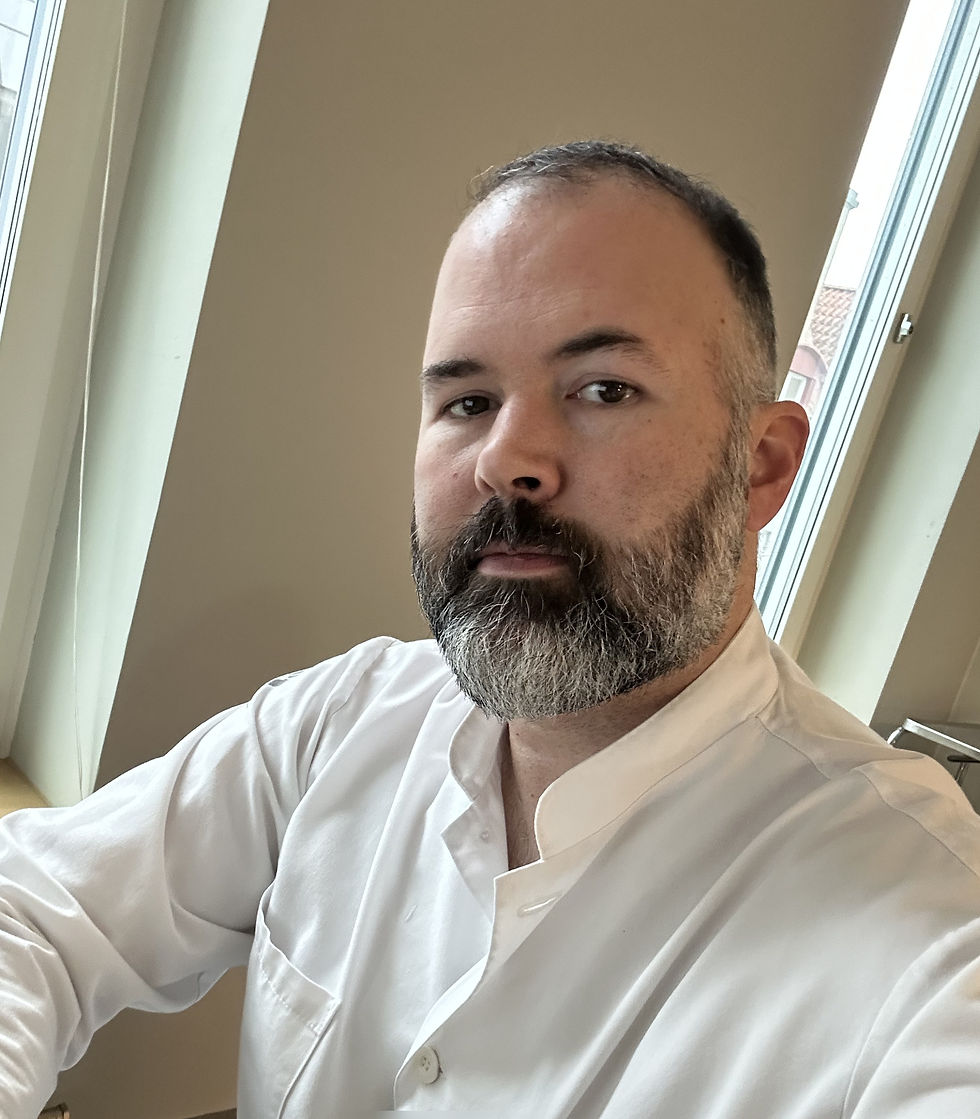
I know what it feels like to rebuild a nursing life in another country, although I did it in the opposite direction. I left the United States, moved to Sweden, learned Swedish, earned my Swedish nursing license, and worked through the process of becoming a nurse in a new system. After five years, I am now moving back to the U.S.
So when I say this is not easy, I mean that with respect. It is possible, but it is not casual.
This guide is a simplified starting point for foreign born nurses who want to understand the path to working in the United States. It is not legal advice, immigration advice, or a replacement for checking requirements with a state board of nursing, employer, attorney, or credentialing agency. Rules can change, and every nurse’s situation is different.

Start with the U.S. nursing system
The United States does not have one single national nursing license. Nursing licenses are issued by individual states and territories through their boards of nursing.
That means a nurse who wants to work in Texas may have a different application path than a nurse who wants to work in New York, Florida, California, or Illinois.
Most internationally educated nurses will need to work through these main areas:
Credential evaluation
English language proof, if required
Authorization to take the NCLEX-RN
Passing the NCLEX-RN
State nursing licensure
Immigration and work authorization
Employer sponsorship or job placement
The exact order may vary. Some nurses begin with a recruitment agency. Some begin directly with a state board. Some already live in the U.S. and need a license pathway. Others are applying from overseas and need both licensure and immigration support.
Before paying for anything, decide where you want to live and work. That choice can affect your timeline, documents, fees, and testing requirements.
Check whether your nursing education meets U.S. standards
The U.S. will want proof that your nursing education is comparable to nursing education in the United States.
This usually means sending documents from your nursing school and licensing authority for review. Many state boards use a credential evaluation service. TrueMerit (CGFNS) is one of the well-known organizations involved in credential evaluation and certification for internationally educated nurses, though not every state uses the same process in the same way.
You may need to provide:
Nursing school transcripts
Course descriptions or syllabi
Proof of your nursing license in your home country
Verification of good standing from your nursing regulator
Identification documents
Name change documents, if applicable
English translations of documents not issued in English
This step can take time because documents often need to come directly from the school, licensing body, or official source. If your school has closed, records are incomplete, or documents are slow to arrive, the process can stretch out.
A practical tip: make a document checklist early and keep digital copies of everything you are allowed to keep. Use the exact name that appears on your passport whenever possible. Small name mismatches can create big delays.
Understand the NCLEX-RN
The NCLEX-RN is the licensing exam for registered nurses in the United States. Passing it is one of the biggest milestones for internationally educated nurses.
The exam does not only test memorized facts. It tests clinical judgment, safety, prioritization, delegation, and how you respond to patient care situations in the U.S. nursing context.
That can feel different from nursing exams in other countries.
For example, the NCLEX may ask which patient should be seen first, which task can be delegated, or which answer best protects patient safety. The key is not only knowing disease processes. You also need to understand the way U.S. nursing exams frame responsibility, risk, and decision-making.
Good preparation often includes:
Learning the NCLEX question style
Reviewing fundamentals, pharmacology, maternal-child nursing, mental health, and adult health
Practicing prioritization and delegation questions
Taking timed practice tests
Studying rationales, not just right answers
Some nurses pass while studying overseas. Others come to the U.S. first if they already have legal status. Many balance studying with work, family, and immigration timelines.
Give yourself a realistic study plan. If you trained years ago or have been working in a specialized area, you may need extra time to refresh broad nursing content.

Prepare for English language requirements
Some internationally educated nurses must prove English language ability. Requirements depend on the state board, credentialing pathway, country of education, and other factors.
Commonly accepted tests may include IELTS, TOEFL, or other approved exams, depending on the organization or state. Do not assume that speaking English at work or growing up in an English-speaking household will automatically remove the requirement. Always check the current rules for the state and agency involved.
English testing can be frustrating for experienced nurses. A nurse may speak well with patients and still need to learn the format of an exam. Writing, reading speed, listening sections, and speaking structure all matter.
If you need an English test, treat it like a separate project. Study the test format, practice under timed conditions, and learn what the scoring criteria actually reward.
Learn the immigration side early
Licensure and immigration are connected, but they are not the same thing.
A state may approve you to take the NCLEX, but that does not automatically give you permission to live or work in the United States. On the other hand, a person may already live in the U.S. legally and still need to complete the nursing licensure process before working as an RN.
Many foreign born nurses who move to the U.S. do so through employer sponsorship. Some nurses work with recruitment agencies. Others find hospitals or healthcare systems that sponsor internationally educated nurses. The path can include immigration documents, healthcare worker certification, and proof that you meet licensing and language requirements.
Because immigration rules are complex and can change, get information from official sources or a qualified immigration professional. Be careful with anyone who promises fast results, guaranteed visas, or jobs that sound too good to be true.
A legitimate process should be clear about:
Fees and who pays them
Contract terms
Expected location and work setting
Timeline
Visa or immigration category
Licensure requirements
What happens if you do not pass an exam on the first try
What happens if the job placement changes
Read every contract carefully before signing. If possible, have someone knowledgeable review it.
Choose a state with intention
Because each state board of nursing sets its own requirements, your chosen state matters.
Some nurses select a state because family already lives there. Others choose based on job availability, agency placement, cost of living, climate, or community support. Some states may have more experience processing internationally educated nurses, while others may require extra steps.
Think beyond “Where can I get licensed fastest?”
Ask practical questions:
Can I afford to live there on a new nurse salary?
Is there public transportation, or will I need a car?
Are there communities from my home country nearby?
What types of hospitals and clinics are hiring?
Will I need to transfer my license later?
Is the state part of the Nurse Licensure Compact?
The Nurse Licensure Compact allows eligible nurses to practice in other compact states with a multistate license, but not every nurse qualifies, and not every state is part of it. International nurses should check the rules carefully with the board of nursing.

Expect culture shock at work
Even highly experienced nurses can feel new again after moving countries.
That does not mean you are not competent. It means healthcare systems have their own routines, language, documentation styles, hierarchy, equipment, and patient expectations.
In the U.S., nurses often adjust to:
Electronic health record systems
Different medication names or packaging
Wider use of protocols and standing orders in some settings
Patient satisfaction expectations
Documentation rules
Team communication styles
Delegation to nursing assistants or licensed practical nurses
Different staffing patterns
A strong focus on liability and risk management
The hardest part may be emotional. Many international nurses are experts in their home countries, then suddenly feel slow, uncertain, or dependent on others again.
That stage is normal.
Ask questions. Keep a small notebook for terms or procedures you need to review later. Find a mentor if possible. Give yourself time to learn the system before judging your ability.
Build a realistic timeline
There is no single timeline that fits every international nurse. Some nurses move through the process in under a year. Others take several years because of document delays, exam retakes, immigration queues, family responsibilities, or financial pressure.
Here is a simplified view of the process.
Stage | What usually happens |
Research | Choose target states, review board requirements, compare pathways |
Documents | Gather school records, license verification, IDs, translations |
Credential review | Submit documents to the required agency or board |
Testing approval | Receive authorization or approval to take required exams |
NCLEX preparation | Study, practice questions, schedule the exam |
Licensure | Pass exams and complete state board requirements |
Immigration | Work through visa, sponsorship, or work authorization steps |
Relocation | Prepare for housing, travel, finances, and transition |
First job | Complete onboarding, orientation, and adaptation to U.S. practice |
The process is rarely perfectly linear. A document issue may pause licensure. A visa issue may pause relocation. A job offer may depend on passing the NCLEX. Build extra time into your plans.
Watch for high-pressure agencies and unclear promises
Many recruitment agencies do legitimate work and help nurses through a complicated system. At the same time, a nurse moving countries can be vulnerable. The promise of a U.S. nursing job can make it tempting to sign quickly.
Slow down before committing.
Look carefully at repayment clauses, contract length, location flexibility, salary terms, housing promises, and what happens if you leave the job early. Ask whether you can speak to nurses who have already gone through the agency.
Be cautious if someone tells you not to ask questions, refuses to put details in writing, or pressures you to pay large fees without a clear explanation.
A good partner should welcome informed questions.
Why I want to hear from foreign born nurses in the USA
I am putting together more material for nurses who want to move to and work in the United States. A written guide is helpful, but real stories are often what make the process feel possible.
I would love to hear from nurses who have already made the switch.
If you trained outside the U.S. and now work as a nurse in America, your story could help someone else understand what the journey is really like. I am looking for possible interviewees to host on my YouTube channel so others can learn from real experiences, not just checklists.
Helpful topics could include:
What country you trained in
Why you chose the U.S.
Which state you applied to
What the hardest step was
How you prepared for the NCLEX
What surprised you about U.S. nursing
What you wish you had known earlier
Advice for nurses from your home country
Stories from nurses from the Philippines, India, Jamaica, and other countries would be especially valuable, but every pathway matters. No two journeys are exactly the same, and that variety is the point.

A note for nurses interested in Sweden
Because I went through the process of becoming a nurse in Sweden, I also have a guide for nurses interested in that path.
That journey included learning Swedish, applying for recognition, navigating licensing requirements, and adapting to a new healthcare system. It was challenging in different ways than the U.S. process, but many of the emotions were the same: uncertainty, excitement, frustration, and pride when each step finally moved forward.
If Sweden is your goal instead of the United States, the guide on my website may be useful.
The next best step is to get specific
If your goal is to become an international nurse in the USA, start by choosing one target state and reading that board of nursing’s current requirements for internationally educated nurses. Then make a document list, check exam requirements, and learn what immigration path may apply to you.
Do not try to understand all 50 states at once. Do not rely only on advice from one person’s experience. Use stories for encouragement, but use official requirements for decisions.
And if you have already made the move, consider sharing your story. The nurse sitting overseas right now, studying for the NCLEX after a long shift, may need to hear exactly what you learned along the way.


Comments